

04 Jul The Complete Videography Process
Your Ultimate Guide to Professional Video Production
Creating compelling video content requires more than just pointing a camera and pressing record. Professional videography is a meticulous process that combines artistic vision, technical expertise, and strategic planning to produce videos that captivate, inform, and inspire audiences.
Whether you’re a business owner looking to understand what goes into creating your promotional video, an aspiring videographer wanting to learn the industry standards, or someone curious about the magic behind professional video production, this comprehensive guide will take you through every stage of the videography process.
The videography process can be divided into three main phases: pre-production (planning and preparation), production (filming), and post-production (editing and delivery). Each phase is crucial to the success of the final product, and understanding these stages will help you appreciate the complexity and artistry involved in professional video creation.
Pre-Production: Foundation of Success
Pre-production is arguably the most critical phase of the videography process. This stage involves all the planning, preparation, and decision-making that occurs before the cameras start rolling. A well-executed pre-production phase can make the difference between a smooth, efficient shoot and a chaotic, expensive disaster.
Initial Consultation and Briefing
The videography process begins with understanding the client’s vision, objectives, and requirements. During this initial phase, videographers work closely with clients to define the project scope, target audience, key messages, and desired outcomes. This collaborative approach ensures that everyone involved has a clear understanding of the project goals.
Project Discovery
Understanding the client's brand, audience, and objectives through detailed discussions and questionnaires.
Budget Planning
Establishing realistic budgets for equipment, crew, locations, and post-production requirements.
Timeline Development
Creating detailed schedules that account for all phases of production and delivery deadlines.
Concept Development and Scriptwriting
Once the project parameters are established, the creative process begins. This involves developing the core concept, writing scripts or outlines, and creating storyboards that visualize how the final video will look and feel.
The scriptwriting process varies depending on the type of video being produced. Corporate videos might require formal scripts with precise messaging, while documentary-style projects might work with flexible outlines that allow for spontaneous moments and natural conversations.
Pro Tip: Storyboarding
Location Scouting and Permits
Selecting the right locations is crucial for achieving the desired visual impact and supporting the video’s narrative. Professional videographers conduct thorough location scouts, considering factors such as lighting conditions, acoustics, accessibility, and logistical requirements.
Location Scouting Checklist
-
Natural and artificial lighting conditions at different times
-
Background noise levels and acoustic properties
-
Power supply availability for equipment
-
Parking and equipment loading access
-
Permit requirements and restrictions
-
Weather contingency plans for outdoor shoots
-
Safety considerations and emergency access
Casting and Talent Coordination
If the project requires on-screen talent, the pre-production phase includes casting sessions, talent selection, and coordination. This process involves reviewing portfolios, conducting auditions, and ensuring that selected individuals align with the brand image and project requirements.
Equipment Planning and Crew Assembly
Based on the project requirements, videographers determine the necessary equipment and assemble the appropriate crew. This might include additional camera operators, sound engineers, lighting technicians, and assistants, depending on the project’s complexity and budget.
Production: Bringing Vision to Life
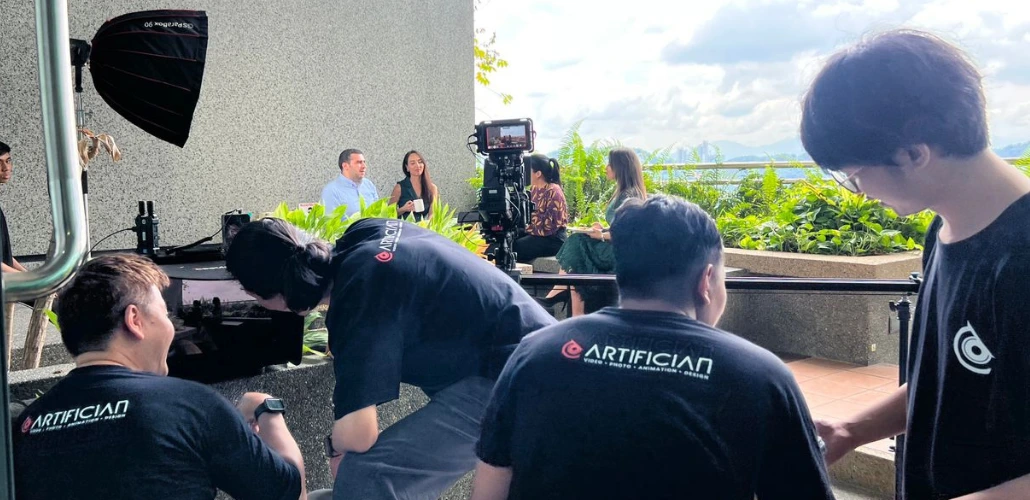
The production phase is where all the pre-production planning comes together. This is the actual filming process, where the videographer and crew capture all the footage needed to create the final video. While this phase might seem straightforward, it requires constant attention to detail, creative problem-solving, and the ability to adapt to unexpected challenges.
Setup and Technical Preparation
Each filming day begins with careful setup and equipment testing. Professional videographers arrive early to set up cameras, arrange lighting, test audio equipment, and ensure everything is functioning properly before filming begins.
Equipment Setup
Cameras, lighting, and audio equipment are positioned and tested according to the predetermined shot list and technical requirements.
Lighting Design
Lighting is adjusted to create the desired mood and ensure proper exposure. This might involve multiple setups for different shots and angles.
Audio Configuration
Microphones are positioned and tested to ensure clear, high-quality audio capture. Background noise is minimized where possible.
Camera Settings
Camera settings are optimized for the specific shooting conditions, including frame rate, resolution, and color profiles.
Directing and Capturing Footage
During filming, the videographer acts as director, cinematographer, and technical supervisor. This involves guiding talent, making creative decisions about shots and angles, and ensuring that all necessary footage is captured according to the project plan.
Professional videographers typically capture multiple takes of important scenes, various angles of key moments, and additional B-roll footage that can be used during editing to enhance the storytelling and provide visual variety.
Managing the Shoot
Effective shoot management involves coordinating all team members, maintaining the shooting schedule, and adapting to unexpected challenges. This might include dealing with weather changes, equipment malfunctions, or last-minute script modifications.
Professional Insight: The 10:1 Rule
Quality Control During Filming
Throughout the production process, videographers continuously monitor the quality of captured footage. This includes checking exposure, focus, audio levels, and overall composition to ensure that all material meets professional standards.
Post-Production: Crafting the Final Story
Post-production is where raw footage is transformed into a polished, professional video. This phase involves editing, color correction, audio enhancement, graphics creation, and final delivery preparation. Modern post-production is a highly technical and creative process that can significantly impact the final video’s quality and effectiveness.
Footage Organization and Review
The post-production process begins with organizing and reviewing all captured footage. This involves importing files, creating folder structures, and logging all clips to identify the best takes and most useful material.
Professional editors often create rough cuts first, assembling the basic structure of the video before refining details. This approach allows for efficient workflow and helps identify any gaps in coverage that might require additional filming or creative solutions.
Video Editing and Assembly
The heart of post-production is the editing process, where individual clips are assembled into a cohesive narrative. This involves making decisions about pacing, transitions, and the overall flow of the video to create engaging content that holds viewer attention.
Rough Cut
Initial assembly of clips in approximate sequence, focusing on structure and timing rather than fine details.
Fine Cut
Detailed editing with precise timing, smooth transitions, and careful attention to pacing and rhythm.
Final Cut
Polished version incorporating all client feedback and ready for color correction and audio enhancement.
Color Correction and Grading
Color correction ensures that all footage has consistent exposure and color balance, while color grading adds creative styling to enhance the video’s mood and visual appeal. This process can dramatically impact the final video’s professional appearance and emotional impact.
Audio Post-Production
Audio enhancement is crucial for professional video quality. This includes cleaning up recorded audio, adding music and sound effects, balancing levels, and ensuring that dialogue is clear and intelligible throughout the video.
Audio Post-Production Tasks
-
Noise reduction and audio cleanup
-
Dialogue enhancement and leveling
-
Music selection and integration
-
Sound effects and ambient audio
-
Final mix and mastering
Graphics and Animation
Many professional videos incorporate graphics, titles, and animations to enhance communication and visual appeal. This might include lower thirds, logo animations, data visualizations, or motion graphics that support the video’s message.
Client Review and Revisions
Professional videography typically includes structured review processes where clients can provide feedback and request revisions. This collaborative approach ensures that the final product meets client expectations while maintaining professional quality standards.
Final Delivery and Distribution
The final phase of post-production involves preparing the video for delivery in various formats suitable for different distribution channels. This might include versions optimized for websites, social media platforms, broadcast, or presentation purposes.
Quality Assurance Throughout the Process
Professional videographers implement quality control measures at every stage of the process. This includes technical checks, creative reviews, and client consultations to ensure that the final product meets both technical specifications and creative objectives.
Quality assurance involves regular backups of footage and project files, color calibration of monitoring equipment, and adherence to industry standards for audio and video quality. These measures help prevent costly mistakes and ensure consistent results across different projects.
Technology and Tools in Modern Videography
The videography process has been revolutionized by advances in digital technology. Modern cameras capture incredibly high-quality footage, while powerful editing software provides unprecedented creative control. Cloud-based collaboration tools enable efficient teamwork, even when team members are in different locations.
Artificial intelligence and machine learning are beginning to impact various aspects of the videography process, from automated editing suggestions to intelligent color correction. However, the creative vision and technical expertise of professional videographers remain irreplaceable elements of quality video production.
Measuring Success and Impact
The ultimate measure of videography success is whether the final product achieves its intended objectives. This might be measured through engagement metrics, conversion rates, brand awareness improvements, or client satisfaction scores, depending on the project’s goals.
Professional videographers often conduct post-project reviews to identify lessons learned and opportunities for improvement. This continuous improvement approach helps refine processes and deliver even better results for future clients.
Ready to Begin Your Video Project?
Understanding the videography process is the first step toward creating exceptional video content. Our experienced team is ready to guide you through every stage of production, from initial concept to final delivery.
Conclusion
The videography process is a complex, multi-faceted journey that transforms ideas into compelling visual stories. Each phase—pre-production, production, and post-production—plays a crucial role in creating professional-quality videos that engage audiences and achieve business objectives.
While technology continues to evolve and new tools become available, the fundamental principles of good videography remain constant: careful planning, creative vision, technical expertise, and attention to detail. By understanding and respecting each stage of the process, clients and videographers can collaborate effectively to create exceptional video content that stands out in today’s competitive digital landscape.
Whether you’re planning your first video project or looking to improve your understanding of professional video production, remember that great videography is both an art and a science. It requires creativity and technical skill, planning and adaptability, vision and execution. When all these elements come together through a well-managed process, the results can be truly transformative for brands, organizations, and individuals seeking to tell their stories through the power of video.
